The Ultimate Guide to Nummazaki: Japan’s Hidden Coastal Gem
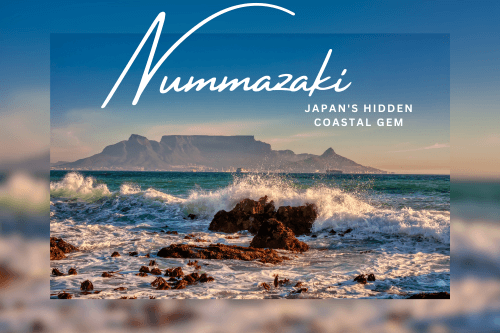
Most travelers racing between Tokyo and Kyoto miss one of Japan’s best-kept secrets. Nummazaki, a coastal town tucked away from the usual tourist circuits, offers something rare: the authenticity of rural Japan with the polish of a world-class destination.
This guide covers everything you need to plan a trip to Nummazaki. You’ll learn about its natural landscapes, festivals that define the local calendar, where to eat (from street food to Michelin stars), and how to get there without the usual travel headaches.
What Makes Nummazaki Special?
Nummazaki stands out for three reasons. First, its geography: Mount Haruna rises 1,457 meters above a coastline dotted with beaches and parks. Second, its food scene balances humble local dishes like Numma-nabe hotpot with elite kaiseki dining. Third, its approach to tourism prioritizes sustainability without sacrificing comfort.
If you’re looking for a place that feels less discovered but still offers solid infrastructure, Nummazaki hits that balance.
Introduction to Nummazaki
Nummazaki is a Japanese coastal town that blends scenic diversity with deep cultural roots. The region attracts visitors who want nature, history, and food without the crowds that swamp places like Hakone or Kamakura.
What sets it apart is the range. You can hike a mountain in the morning, explore a centuries-old shrine in the afternoon, and finish the day with omakase prepared by chefs trained in Tokyo’s top kitchens.
A Brief History: From Jomon Roots to Edo Heritage
Nummazaki’s history stretches back to the Jomon period, one of Japan’s earliest known cultures. Archaeological traces from that era remain visible in the area, though most visitors encounter the town’s Edo-period heritage more directly.
During the Edo era, Nummazaki developed into a modest trading post. That legacy lives on in the layout of certain streets and in artisan workshops that still practice traditional crafts. The town hasn’t been frozen in time, but it hasn’t erased its past either.
Shinkai Shrine serves as the spiritual anchor. Locals and visitors alike come here during festivals, and the shrine’s architecture reflects centuries of careful preservation.
Top Natural Attractions and Landscapes
Nummazaki’s geography does most of the heavy lifting. The town sits where mountains meet the coast, creating environments that shift dramatically within short distances.
Hiking and Skiing at Mount Haruna
Mount Haruna dominates the skyline at 1,457 meters. It’s not Japan’s tallest peak, but it’s accessible and varied enough to appeal to casual hikers and serious outdoor enthusiasts.

In warmer months, the trails offer views of the coastline and surrounding valleys. The routes vary in difficulty, so families and experienced trekkers both find options that work.
Winter transforms the mountain into a ski destination. The slopes aren’t massive, but they’re well-maintained and far less crowded than resort towns farther north.
Relaxing at the 150-Acre Riverside Park
Riverside Park spans 150 acres along the water. It’s designed for people who want green space without the formality of a traditional Japanese garden.
You’ll find walking paths, picnic areas, and spots where the river slows enough for wading. Locals use it year-round, which gives the park a lived-in feel that’s missing from purely tourist-focused attractions.
The coastal region itself offers beaches and smaller coves. Water quality is good, and the lack of development means you’re not fighting for space during peak season.
The Cultural Calendar: Festivals You Can’t Miss
Nummazaki’s festival calendar drives much of its character. These aren’t performances staged for tourists. They’re working events where locals participate, and visitors are welcome to observe or join in.
Spring: The Cherry Blossom Festival
The Cherry Blossom Festival arrives when sakura trees bloom across the town. Timing varies each year, but it typically falls in early spring.
Expect traditional music, food stalls, and evening illuminations that light up the trees after dark. It’s crowded by Nummazaki standards, but still manageable compared to Tokyo’s viewing spots.
Summer: The Nummazaki Sea Festival
The Sea Festival celebrates the town’s relationship with the coast. Events include boat parades, seafood markets, and performances tied to maritime traditions.
It’s loud, colorful, and unapologetically local. If you want to see how the town thinks about itself, this is the event to attend.
Autumn: Harvest Festivals and Traditional Crafts
Autumn brings harvest celebrations focused on agriculture and craftsmanship. Artisan workshops open their doors, and you can watch demonstrations of techniques passed down through generations.
The food during this period leans heavily on seasonal ingredients. Restaurants adjust their menus, and even casual eateries feature dishes that reflect what’s currently growing or being caught.
A Culinary Destination: From Street Food to Michelin Stars
Here’s the part most people miss: Nummazaki punches well above its weight in food quality. The town supports both high-end dining and approachable local specialties without one overshadowing the other.
Must-Try Local Dishes: Numma-nabe and Fresh Seafood
Numma-nabe is the signature dish. This hotpot combines local vegetables, seafood, and a broth recipe that varies slightly depending on who’s cooking it. Every restaurant claims its version is the most authentic.
Fresh sashimi is another staple. The proximity to fishing waters means what you’re eating was likely caught that morning. Markets sell directly to consumers, and the quality rivals anything you’d find in major cities.
Street food options include grilled fish skewers, rice balls with regional fillings, and seasonal items that rotate based on availability.
Elite Dining: Kaiseki and Omakase Experiences
Nummazaki hosts Michelin-starred restaurants that draw serious food travelers. These establishments offer kaiseki (multi-course seasonal dining) and omakase (chef’s choice) experiences built around local ingredients.
Reservations fill quickly, especially during festival seasons. Plan ahead if this type of dining matters to you.
The contrast between a casual bowl of Numma-nabe and a meticulously plated kaiseki course is stark, but both exist comfortably within the same small town.
Adventure and Outdoor Activities
Beyond food and festivals, Nummazaki supports a range of outdoor activities. The diversity comes from having mountains, rivers, and a coastline all within a compact area.
Water Sports: Surfing and Sailing on the Coast
The coastal waters support surfing, though conditions vary seasonally. Local shops rent equipment and offer lessons for beginners.
Sailing is another option. Calmer sections of the coast work well for recreational boating, and you’ll find rental services near the main harbor area.
Family Fun: Zip-lining and Rock Climbing at the Adventure Park
The town’s adventure park includes zip-lining courses and rock climbing walls designed for different skill levels. It’s geared toward families but doesn’t feel dumbed down.
These activities sit alongside the hiking and skiing options at Mount Haruna, giving the area a broader appeal than pure sightseeing destinations.
Sustainable Travel in Nummazaki
Nummazaki has built its tourism model around sustainability. This isn’t greenwashing. The initiatives are embedded in how the town operates.
Supporting Eco-Friendly Tours and Renewable Energy Initiatives
Community-based tourism programs connect visitors with local guides who know the area intimately. Tours emphasize low-impact activities and often include educational components about regional ecology.
The town has invested in renewable energy projects and maintains strict recycling protocols. Green spaces are protected, and development follows environmental guidelines that prioritize long-term preservation over short-term profit.
Eco-tours are available for those who want structured experiences focused on nature and conservation. These range from coastal cleanup activities to guided nature walks that explain local ecosystems.
Practical Travel Logistics
Getting to Nummazaki and finding a place to stay is more straightforward than you might expect for a less-traveled destination.
How to Get There: Railway and Airport Access
Nummazaki is accessible by railway, with connections to major transport hubs. The exact routes and schedules should be verified closer to your travel dates, but the town is integrated into Japan’s efficient rail network.
Airport access is also available, though you’ll likely connect through a larger city first. The combination of rail and air options gives you flexibility depending on where you’re starting from.
Accommodation: Ryokans vs. Modern Hotels
Accommodation is split between traditional ryokans and modern hotels. Ryokans offer the full cultural experience: tatami mats, futon bedding, communal baths, and meals included in your stay.
Modern hotels provide standard amenities without the cultural immersion. Both options exist at various price points, so budget isn’t the only deciding factor.
Booking ahead is recommended during festival seasons. Outside peak periods, you’ll have more flexibility.
FAQs About Visiting Nummazaki
What are the main highlights of Nummazaki for first-time visitors?
Shinkai Shrine, Mount Haruna, and the local seafood markets top most lists. The Cherry Blossom Festival is worth timing your trip around if possible.
What food is Nummazaki best known for?
Numma-nabe hotpot is the signature local dish. The town also supports a surprisingly elite dining scene, including Michelin-starred restaurants specializing in kaiseki and omakase.
Is Nummazaki good for adventure activities?
Yes. Options include skiing and hiking at Mount Haruna, zip-lining and rock climbing at the adventure park, plus surfing and sailing along the coast.
How does Nummazaki support sustainable tourism?
The town emphasizes community-based tourism, eco-friendly tours, renewable energy projects, protected green spaces, and strict recycling initiatives.
When is the best time to visit Nummazaki?
Spring for cherry blossoms, summer for the Sea Festival, and autumn for harvest celebrations. Winter works if you’re interested in skiing at Mount Haruna.
Is Nummazaki family-friendly?
Very. Riverside Park, the adventure park, and beginner-friendly outdoor activities make it accessible for travelers with children.
How crowded does Nummazaki get?
Significantly less crowded than major tourist destinations like Hakone or Kamakura, even during festival seasons.
Can I visit Nummazaki as a day trip?
Possible, but not ideal. The range of activities and experiences benefits from at least two to three days.
Are there English-language resources available for tourists?
Note: English-language support and signage availability should be verified before traveling.
What’s the typical budget for a trip to Nummazaki?
Note: Specific cost details for accommodations, dining, and activities should be researched based on current pricing.
Is Nummazaki accessible for travelers with disabilities?
Note: Accessibility features and accommodations for travelers with disabilities should be verified directly with service providers.
How does Nummazaki compare to other coastal towns in Japan?
It offers a balance between authenticity and infrastructure that larger destinations struggle to maintain. Less commercial than Kamakura, more polished than purely rural coastal villages.
Why Nummazaki Deserves Your Attention
Nummazaki works because it hasn’t tried to become something it’s not. The town took what it had (geography, history, local food culture) and built a tourism model that respects all three.
If you’re looking for a Japan experience that feels less scripted, this is worth considering. Start by mapping out which festivals align with your travel dates, then build your itinerary around the activities and dining experiences that matter most to you.
So, check the current festival calendar and book accommodations early if you’re targeting a specific event.
You May Love to Read These:
